Annapurna Circuit Trek and Annapurna Tilicho Lake Trek: A Journey Through Nepal’s Himalayan Majesty

The Himalayas have long stood as a symbol of adventure, spirituality, and raw natural beauty. Among the countless trekking routes that wind through this legendary mountain range, the Annapurna Circuit trek and the Annapurna Tilicho Lake trek hold a special place. These treks are not merely journeys across landscapes—they are transformative experiences that immerse trekkers in diverse cultures, dramatic terrains, and awe-inspiring altitudes.
Whether you are an experienced mountaineer or an enthusiastic traveler seeking your next great adventure, these treks offer an unparalleled opportunity to witness the grandeur of Nepal’s Himalayan region.
The Annapurna Circuit Trek: A Classic Himalayan Adventure
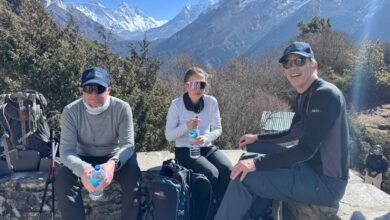
The Annapurna Circuit trek is often regarded as one of the greatest trekking routes in the world. Encircling the Annapurna massif, this trek takes you through a remarkable variety of landscapes—from lush subtropical forests and terraced rice fields to alpine meadows and high-altitude deserts.
Diverse Landscapes and Changing Terrain
One of the defining features of the Annapurna Circuit trek is its extraordinary diversity. Starting at lower elevations, trekkers pass through villages surrounded by green hills and flowing rivers. As the journey progresses, the scenery gradually shifts to rugged mountain terrain, eventually leading to arid, wind-swept regions near the Tibetan plateau.
This dramatic transition allows trekkers to experience multiple ecosystems within a single expedition, making the trek both visually and physically engaging.
Cultural Encounters Along the Way
The Annapurna region is home to a rich tapestry of ethnic communities, including Gurung, Thakali, and Manangi people. As you move along the circuit, you will encounter traditional villages where life has remained largely unchanged for centuries.
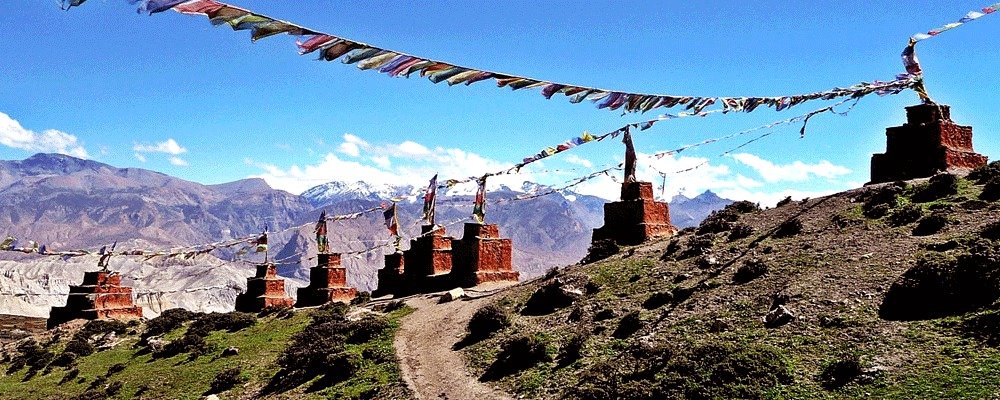
Monasteries, prayer flags, and chortens (Buddhist shrines) dot the landscape, offering glimpses into the spiritual life of the region. The warm hospitality of the locals adds a deeply human dimension to the journey, turning the trek into a cultural exploration as much as a physical one.
Thorong La Pass: The Ultimate Challenge
A highlight of the Annapurna Circuit trek is crossing the Thorong La Pass, one of the highest trekking passes in the world at an altitude of 5,416 meters (17,769 feet). This challenging ascent tests endurance and determination but rewards trekkers with breathtaking panoramic views of snow-capped peaks.
Reaching the top is often described as a life-changing moment—a culmination of effort, resilience, and awe.
Annapurna Tilicho Lake Trek: A Sacred and Scenic Extension
For those seeking an even more extraordinary experience, the Annapurna Tilicho Lake trek offers a stunning detour from the main circuit. This trek leads to Tilicho Lake, one of the highest lakes in the world, situated at an altitude of approximately 4,919 meters (16,138 feet).
The Beauty of Tilicho Lake
Tilicho Lake is a place of surreal beauty. Surrounded by towering peaks and rugged cliffs, its turquoise waters create a striking contrast against the barren Himalayan landscape. The lake is not only visually captivating but also holds religious significance for both Hindus and Buddhists.
The journey to Tilicho Lake involves traversing narrow trails carved into steep mountainsides, making it one of the more adventurous segments of the Annapurna region.
A More Remote and Less Crowded Experience
Compared to the main Annapurna Circuit trek, the Annapurna Tilicho Lake trek is less crowded and offers a greater sense of solitude. This makes it particularly appealing to trekkers who seek a quieter, more introspective journey.
The route branches off from the main circuit near Manang, leading trekkers into more remote and rugged terrain. The sense of isolation, combined with the dramatic scenery, creates a deeply immersive experience.
Physical and Mental Demands
The Annapurna Tilicho Lake trek is more demanding than the standard circuit route. Trekkers must navigate steep ascents, landslide-prone paths, and high-altitude conditions. Proper acclimatization is essential to avoid altitude sickness.
However, the challenges are part of what makes the trek so rewarding. Standing beside Tilicho Lake, surrounded by the silent majesty of the Himalayas, is an experience that few places on Earth can match.
Comparing the Two Treks
While the Annapurna Circuit trek and the Annapurna Tilicho Lake trek are closely related, they offer distinct experiences:
- Annapurna Circuit Trek
- Broader route with diverse landscapes
- Rich cultural interactions
- Includes the iconic Thorong La Pass
- Suitable for trekkers seeking a balanced adventure
- Annapurna Tilicho Lake Trek
- More remote and adventurous extension
- Focus on high-altitude scenery
- Features Tilicho Lake as the main highlight
- Ideal for trekkers seeking solitude and challenge
Many trekkers choose to combine both routes, creating a comprehensive Himalayan adventure that includes the best of both worlds.
Best Time to Trek
The ideal seasons for both the Annapurna Circuit trek and the Annapurna Tilicho Lake trek are:
- Spring (March to May): Clear skies, blooming rhododendrons, and moderate temperatures
- Autumn (September to November): Stable weather, excellent visibility, and comfortable trekking conditions
Winter treks are possible but come with extreme cold and potential snow blockages, especially at higher elevations. The monsoon season, on the other hand, brings heavy rainfall and landslides, making trekking more difficult.
See also: Morocco Tour Packages: Travel Made Effortless
Preparation and Essential Tips
Physical Fitness
Both treks require a good level of fitness. Regular cardio training, strength exercises, and hiking practice can help prepare your body for long days of walking and high-altitude conditions.
Acclimatization
Altitude sickness is a serious concern. It is crucial to ascend gradually and include rest days in your itinerary. Listening to your body and staying hydrated can make a significant difference.
Packing Essentials
Key items include:
- Warm clothing and layered outfits
- Sturdy trekking boots
- Sleeping bag suitable for cold temperatures
- Trekking poles
- First-aid kit and medications
Proper gear ensures both safety and comfort throughout the journey.
Hiring Guides and Porters
While experienced trekkers may choose to go independently, hiring a guide or porter can enhance the experience. Guides provide valuable local knowledge, while porters help reduce the physical burden, allowing you to focus on the journey.
Environmental Responsibility
The Annapurna region is a protected area, and preserving its natural beauty is essential. Trekkers are encouraged to follow sustainable practices:
- Avoid plastic waste
- Respect local customs and traditions
- Use designated trails and campsites
- Support local businesses and communities
Responsible trekking ensures that future generations can continue to enjoy these incredible landscapes.
Conclusion: A Journey Beyond the Ordinary
The Annapurna Circuit trek and the Annapurna Tilicho Lake trek are more than just trekking routes—they are journeys that challenge, inspire, and transform. From the vibrant villages and lush valleys to the stark beauty of high-altitude deserts and glacial lakes, every step offers something unique.
Choosing between the two depends on your goals and preferences. If you seek a classic Himalayan experience with cultural richness and varied landscapes, the Annapurna Circuit trek is an excellent choice. If you crave a more remote and adventurous path, the Annapurna Tilicho Lake trek will leave you in awe.
For many, combining both treks creates the ultimate adventure—a once-in-a-lifetime journey through one of the most spectacular regions on Earth.