
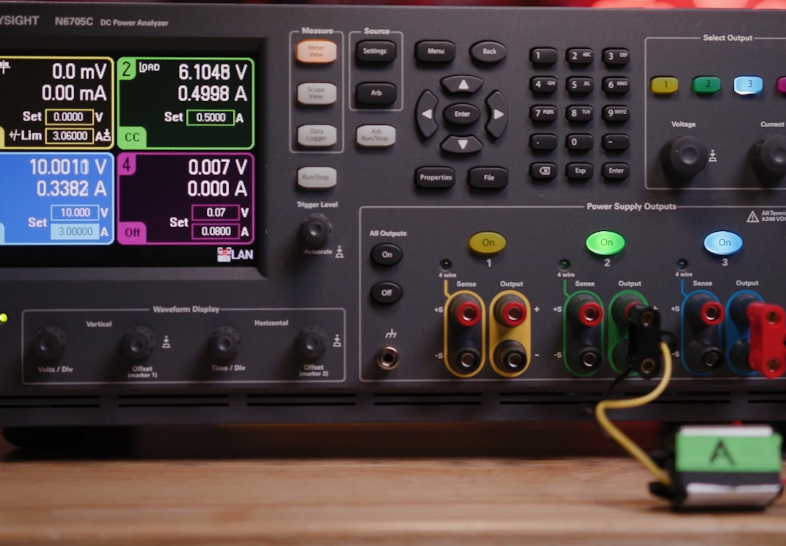
In today’s fast-evolving world of electronics, compact and efficient power systems are no longer optional—they are essential. One technology that has gained significant attention is micro dc, a solution designed to deliver reliable direct current power in a remarkably small form factor. From consumer electronics to advanced medical tools, this technology plays a vital role in modern innovation.
This article explores micro dc in detail, covering how it works, where it is used, and why it has become so important across industries.
Understanding Micro DC Technology
Micro dc refers to miniature direct current systems designed to operate efficiently in devices where space, weight, and energy consumption must be minimized. Unlike traditional DC systems, these solutions focus on precision and compactness without sacrificing performance.
What Does Micro DC Mean?
At its core, micro dc is about delivering stable direct current at low voltages using compact components. These systems are often embedded inside devices, making them invisible to the user but critical to functionality.
See also: wellhealthorganic.com:lemon-juice-know-home-remedies-easily-remove-dark-spots
Core Components of Micro DC Systems
Typical systems include small-scale motors, controllers, power regulators, and protective circuits. Each component is optimized for efficiency and reliability, ensuring consistent power delivery.
How Micro DC Works
Understanding how micro dc functions helps explain why it is so effective in modern applications.
Electrical Principles Behind Micro DC
The system converts electrical energy into controlled direct current, maintaining a steady voltage and current flow. This stability is crucial for sensitive electronics that cannot tolerate fluctuations.
Energy Conversion and Control
Advanced control circuits regulate energy output, reduce losses, and prevent overheating. This ensures optimal performance even in demanding conditions.
Types of Micro DC Devices
Micro dc technology is used in a wide range of devices, each designed for specific tasks.
Micro DC Motors
These motors are commonly used in cameras, toys, medical pumps, and small robotic systems. Their compact size allows precise motion control in tight spaces.
Micro DC Power Supplies
These supplies convert and regulate power for small electronic circuits, ensuring safe and efficient operation.
Key Advantages of Micro DC
The popularity of micro dc is driven by several important benefits.
Compact Design and Efficiency
One of the biggest advantages is size reduction. Smaller components mean lighter devices and improved portability, especially important for wearable and handheld electronics.
Reliability and Performance
Despite their size, these systems offer excellent durability and consistent output, making them suitable for long-term use.
Common Applications of Micro DC
Micro dc solutions are used across many industries.
Consumer Electronics
Smartphones, wireless earbuds, cameras, and smart home devices rely on compact DC systems for smooth operation.
Medical and Healthcare Devices
Precision tools such as infusion pumps and diagnostic equipment depend on stable and efficient power delivery.
Robotics and Automation
Small robots and automated systems use micro dc motors for accurate movement and control.
Micro DC vs Traditional DC Systems
When compared to traditional DC systems, micro dc offers clear advantages.
Size, Cost, and Power Comparison
Traditional systems are bulkier and less efficient for small-scale applications. In contrast, micro dc solutions reduce material costs, improve energy efficiency, and allow for innovative product designs.
Selection Criteria for Micro DC Solutions
Choosing the right system requires careful evaluation.
Voltage, Current, and Load Requirements
Designers must consider operating voltage, current capacity, and load conditions to ensure compatibility and safety.
Installation and Maintenance Tips
Proper installation ensures long-lasting performance. Use appropriate connectors, follow manufacturer guidelines, and regularly inspect components for wear or overheating.
Future Trends in Micro DC Technology
The future of micro dc looks promising. Ongoing advancements focus on higher efficiency, smarter control systems, and integration with renewable energy and IoT platforms. These developments will further expand its role in next-generation devices.
For additional technical insights, you can explore resources like IEEE Power Electronics Society: https://www.ieee-pels.org/
Frequently Asked Questions (FAQs)
1. What makes micro dc different from standard DC systems?
Micro dc is designed for compact, low-power applications, whereas standard DC systems are larger and suited for higher loads.
2. Is micro dc energy efficient?
Yes, it is optimized to minimize power loss and maximize efficiency.
3. Where is micro dc commonly used?
It is widely used in electronics, medical devices, robotics, and automation.
4. Can micro dc systems handle continuous operation?
Yes, when properly designed and maintained, they offer reliable long-term performance.
5. Are micro dc components expensive?
Costs are generally lower due to reduced material use and improved efficiency.
6. Is micro dc suitable for future technologies?
Absolutely. It plays a key role in miniaturization and smart device development.
Conclusion
Micro dc has become a cornerstone of modern electronic design. Its compact size, efficiency, and reliability make it ideal for today’s demanding applications. As technology continues to evolve, micro dc solutions will remain essential in powering innovation across industries.

